
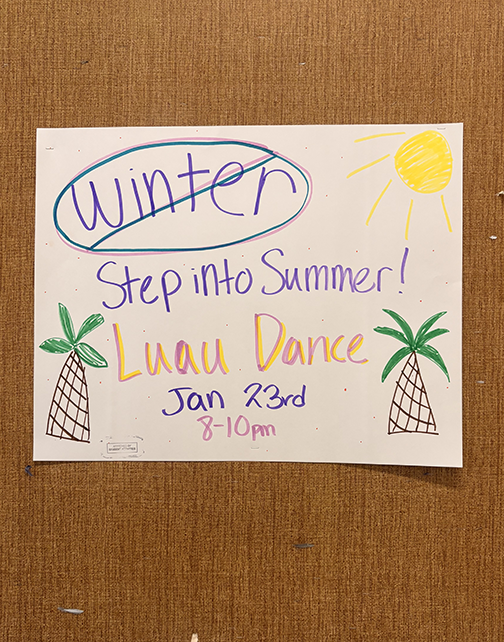
For the second consecutive year, Parkway South’s winter dance will not take place.
The event, originally scheduled for tonight following the Summit vs. South basketball game, was canceled due to low ticket sales. As of last Wednesday, only 7 tickets had been purchased—far below the threshold needed to cover the costs of the dance.
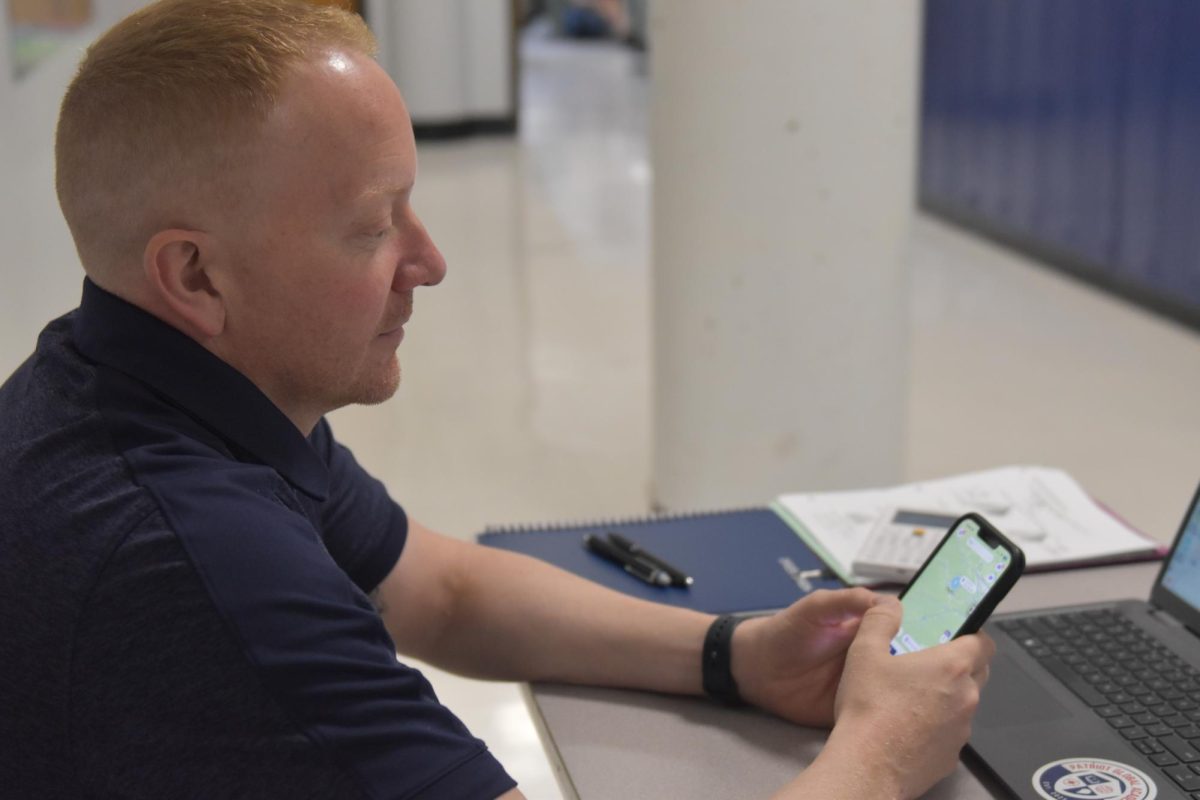
Assistant Principal Eric Wilhelm explained the reasoning behind the decision.
“It’ll cost us about $600 to have a DJ, plus a couple of hundred dollars for decorations. The decision really comes down to whether we have enough tickets sold to at least cover the cost of the DJ, and then after that, we’re golden. Typically, it’s about 100 to 125 tickets, and then we’re good to go,” Wilhelm said.
Low ticket sales for winter dances has been a recurring challenge, according to Wilhelm
“So our percentage is very, very low right now. But then most high school kids wait till the last second,” Wilhelm said.
Despite hopes that last-minute purchases would increase attendance, ticket sales ultimately reached just 43 total, not enough to justify holding the event. Of the 43, juniors only purchased 6 tickets and seniors only purchased 2.
Freshman Evan Bacon purchased a ticket for the dance. He said the cancellation was disappointing for students who were planning to attend.
“I was devastated. I was really looking forward to having fun with my friends at the dance, and when it got canceled, it ruined my plans for the whole weekend,” Bacon said.
Wilhelm stressed that student engagement is crucial to making events like the winter dance successful.
Bacon also shared his thoughts on why attendance was low.
“I think a big problem was that people had things come up that weekend, and a lot of it depended on how late their parents would let them stay out,” Bacon said.
Wilhelm also addressed the role students play in increasing attendance.
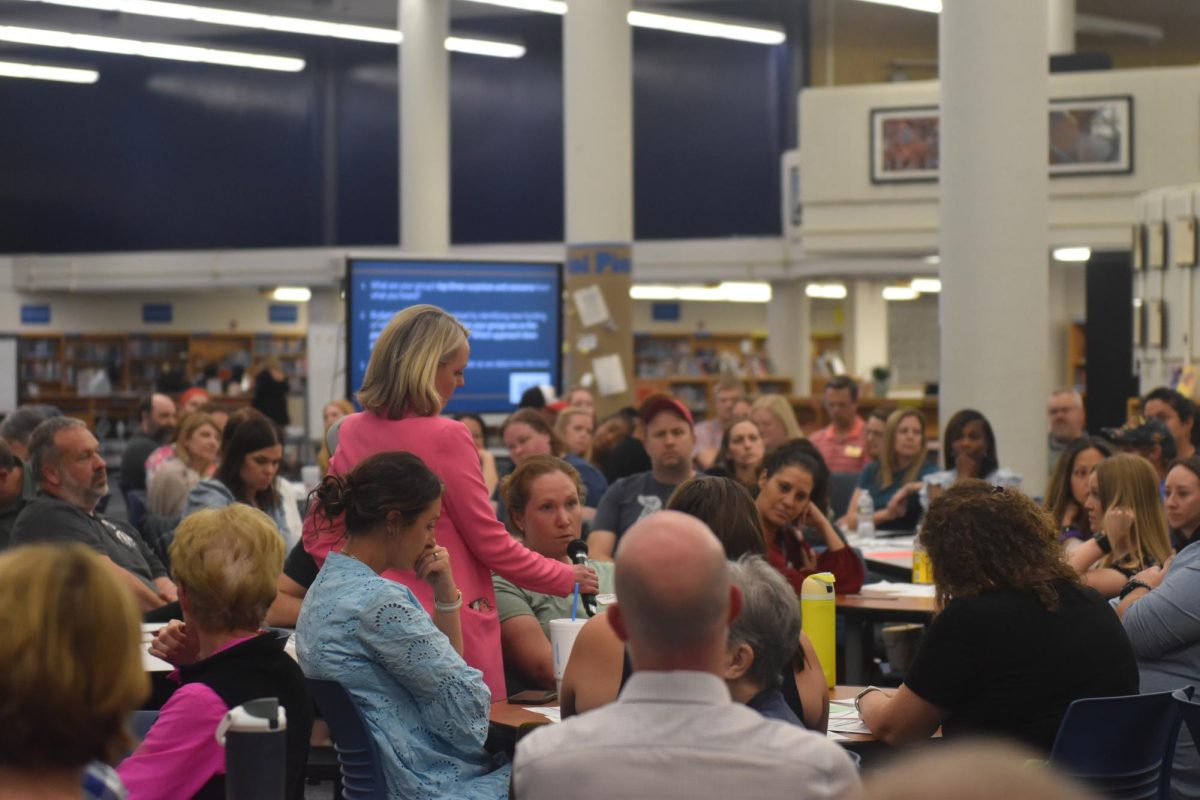
“What we have found is that if students reach out to other students, there’s a better success rate, as opposed to me standing up with a microphone saying, ‘Hey, there’s a dance in two weeks,’” Wilhelm said.“Once there are enough people who are excited, it starts to snowball, then it sort of creates a life of its own.”
Wilhelm believes that peer influence plays a bigger role than adult promotion to generate excitement for student activities.
“If, as a popular upperclassman, you get a group of 10 or 15 friends to go, each of you has a friend group, and if each of you gets four or five people to go with that other friend group, that tends to work better than any announcement I make,” Wilhelm said.
Choosing the right theme is another key factor, according to Wilhelm.
Senior Emily Muchnick was one of the 2 seniors to buy a ticket. She said she prefers more casual dance formats.
“I think making it more of a fun get-together instead of dressing up really fancy is more enjoyable,” Muchnick said.
Past themes, like the Hoedown and Glow dances, were designed to be easy to participate in without spending much money, whereas formal dances sometimes fail because students are less willing to buy dresses or suits. The last winter dance to actually occur was in 2024, when South hosted a Western-themed “Hoedown” dance. 225 tickets were sold for that event.
“The other part of that is coming up with a theme that people are able to participate in that is catchy enough that people are interested, but also generic enough that you don’t have to buy a whole bunch of stuff,” Wilhelm said.
Wilhelm also highlighted how a strong sense of community and positive relationships among students directly influence their willingness to participate in school events.
“High school is very strange. It’s very critical if students genuinely like each other and enjoy each other’s company, that participation in events like a dance or a movie night,” Wilhelm said.
Wilhelm noted that this year’s senior class has strong connections, which often helps build attendance at events, but he is worried that future classes may not have the same level of cohesion. Despite this year’s cancellation, Wilhelm hopes the tradition can continue in the future.
“We try really hard to hold the dance so that we can build some momentum. Because if we have it year after year, students tend to think that’s sort of normal. If we don’t have it, then they also think that’s normal, and they don’t want to go,” Wilhelm said.
For now, the winter dance remains canceled, marking the second year in a row without the event.
Wilhelm’s comments suggest that the success of future dances will depend heavily on the students and their sense of community across classes. Emily also reflected on the lack of senior participation.
“It does feel disappointing. I think more people should go to the dance because we’re still kids, and we’re not going to be kids forever,” Muchnick said.


![“All-Suburban [choir] was really fun because I got to work with a lot of people from other schools that I didn't know and I got to make friends. We got to learn fun but challenging music and perform for my parents so that was really fun. But the audition process was really stressful, because over 600 people auditioned but only around 150 actually made it into the choir so that was really intimidating for me. I was one out of three girls in my class who made it so that made me feel really special and I was really grateful to have this opportunity.”](https://psouthtreaty.com/wp-content/uploads/2026/05/Image_20260523_140845_694.jpeg)