In response to growing financial strain, Parkway schools recently hosted a series of community meetings to discuss ongoing budget concerns and gather public input on potential solutions. Key issues at the center of these discussions is a mix of the new senior tax freeze and growing costs of goods that has significantly impacted the district’s revenue.
The senior tax freeze allows eligible senior citizens to maintain a fixed property tax rate, preventing increases even as property values rise. While this policy provides financial stability for seniors, district officials explained that it also limits the amount of funding available for schools over time, especially since the majority of the Parkway district’s operating budget is derived locally, and not federally.
Operating a school is expensive. According to U.S News & report, Parkway C-2 schools spend approximately $14,145 to $16,300 per pupil each year. Locally, 14,923 is provided, whereas state, federal, county, and other makes up for the rest of the expenses.
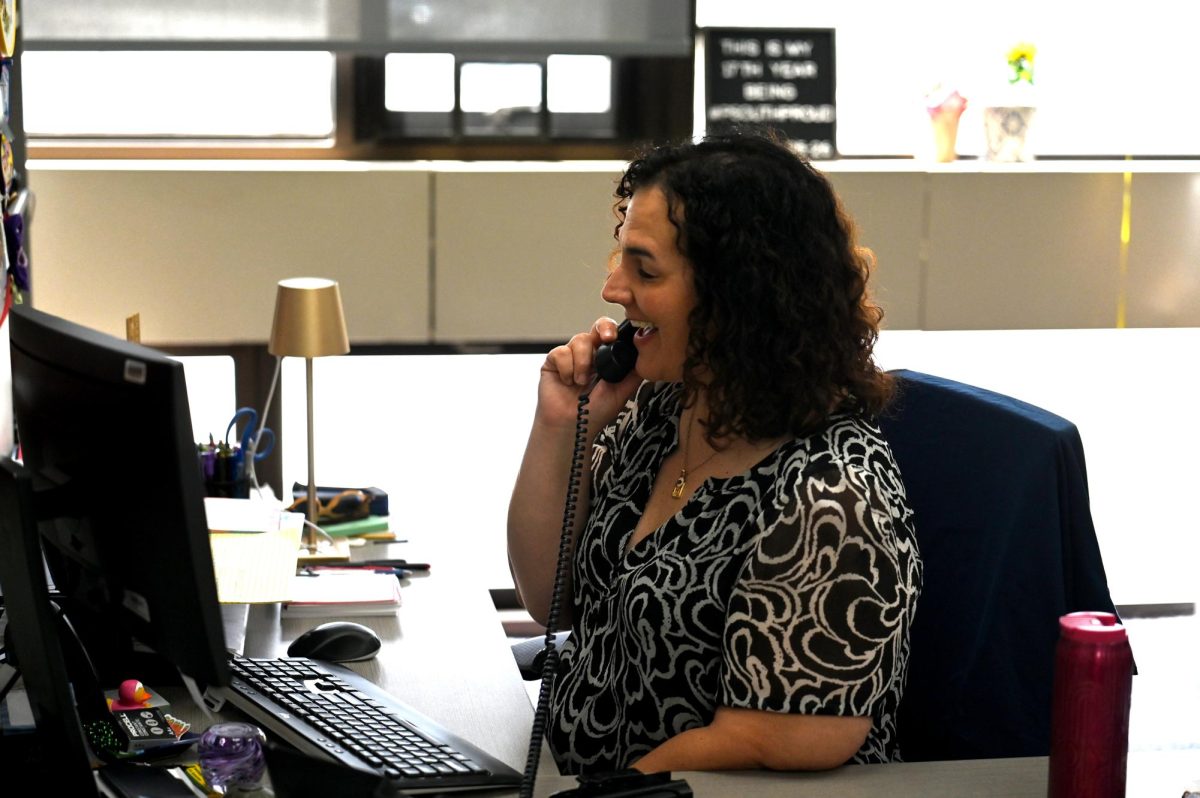
Chief financial officer Carrie Nunn explained further, “We are actually 92% locally funded. So we do have other revenue streams, but our main one is what our community pays in property taxes,” Nunn said.
Even getting these children to school is expensive, when considering the rising cost in gas, the price of school buses, and even the trucks used to get food to the schools. A large majority of the budget is allocated to staff, which provide an important educational environment for children in Parkway. With the increase in costs for general goods, Parkway could be forced to take money out of its reserves just to get through a school year without significantly impacting student experience.
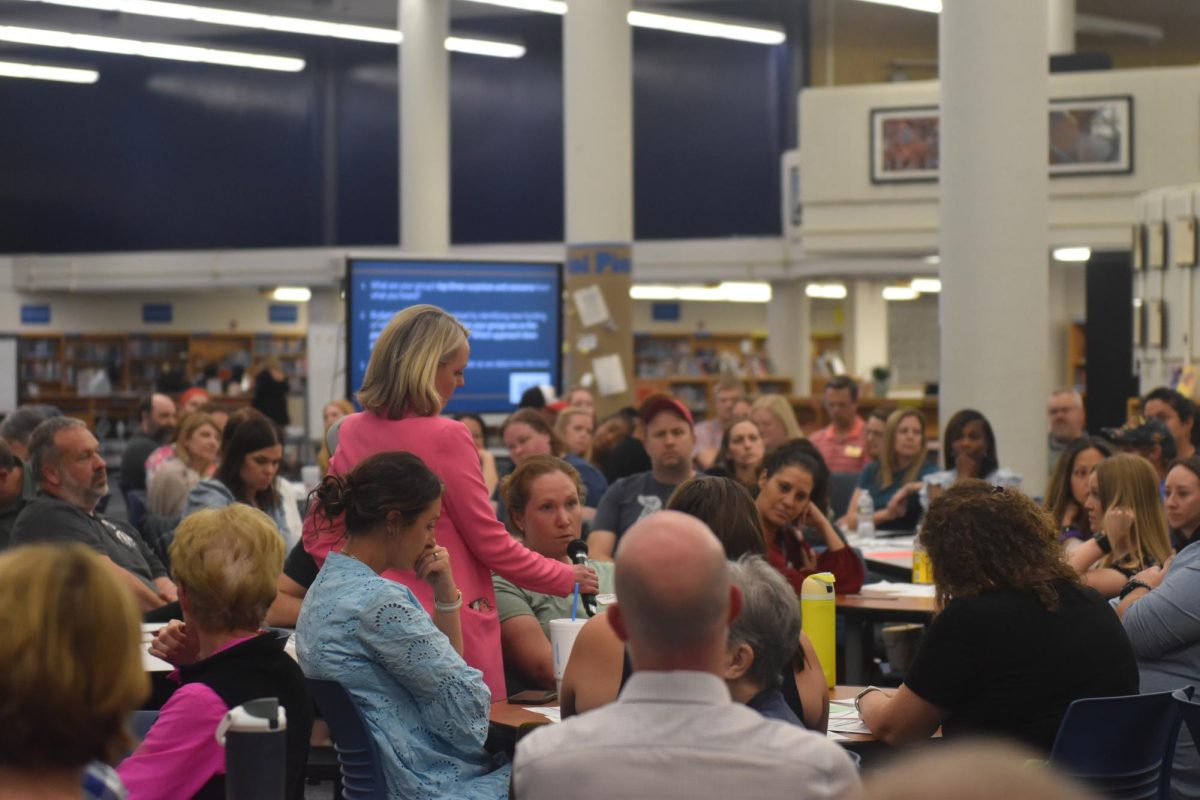
At the Community Conversation meeting held at South on March 31, Chief Financial Officer Carrie Nunn and Superintendent Melissa Schneider spoke to South area citizens about the future of the district. The intention behind the conversation was for the community to understand the reality of the financial challenges the district is facing. While the district has already begun cutting personnel and budgets, if they continue more cuts it could affect the education quality of the Parkway School District. This is a vital concern for residents who have students in Parkway schools, but it’s also a concern for homeowners in the Parkway area. Their property value is directly tied to the quality of the school they’re around, meaning a decrease in education quality would decrease the value of their homes.
Community members who attended community conversations at Parkway South brought up a multitude of ideas for alternative funding or budget changes. Members of the audience asked if Parkway as a district believed it was more important to increase funding, or decrease spending. Some suggested that a tax increase was necessary to thrive as a school. Others asked if it was a possibility to decrease the amount of money spent on staff members.
“We would like to the community ask for an increase (while also asking) the district to cut waste that might be within our buildings. Not cutting resources to students and teachers, but what waste IS there that we can cut,” one community member said.
Chief Financial Officer Carrie Nunn explained to the audience the justification for possibly asking residents for a property tax raise in the near future. Currently, Parkway has the second-lowest residential tax rate in St. Louis County. Also, it has not brought a tax levy to the voters in 20 years; in 2022 Parkway passed a bond issue but that money can only be used for capital improvements.
It was also stressed in the meeting that student extracurricular activities and classes like the fine arts, and sports, were important for students’ mental health. Community members and teachers talked about how those activities are what keep students motivated to maintain good grades and attendance. Community members asked the Parkway School District to consider this when looking at departments and areas to cut.
After the meeting, Schneider commented on her hopes for the district’s future.
“I’m most concerned about the students’ experiences, I want them to have the best education they possibly can,” Schneider said. “The worst case scenario is that we have to make drastic changes. But ultimately, it’s out of our control.”