

Just a few days ago, on Dec. 1, sports betting officially became legal in Missouri for the first time, opening the door to a new era for fans, teams, and the state economy. While adults across Missouri rushed to download betting apps and place their first legal wagers, many teens are now wondering what this change means for them.
For some students, the news brought immediate excitement.
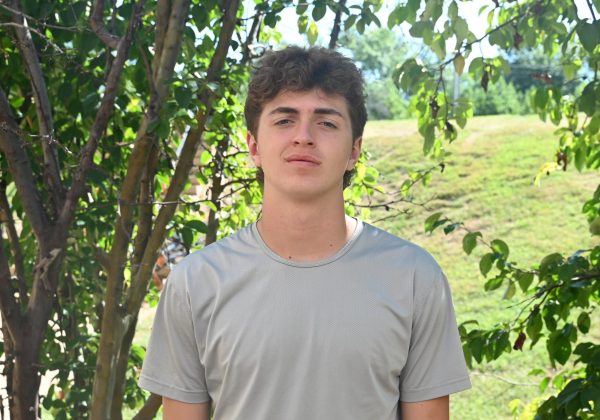
Senior William Cleer said, “I’m excited because I enjoy responsible sports gambling.”
He also admitted he’s “scared of the consequences” that could come with widespread access.
Others had mixed reactions as well. Junior Carson Hults described his feelings as “mixed, good revenue but youth concerns,” pointing out that while the law may help Missouri financially, it could also expose teens to gambling too early.
Supporters of the law argue that the new tax revenue could help the state and even influence professional sports.
“Missouri can make a lot more money,” said Senior Jacob Ames. “They could potentially bring in sports teams to St. Louis and keep the Chiefs in Kansas City.”
Cleer also pointed to education as a major winner, “More money is going to public schools.”
Some students even see personal or educational value in sports betting.
“It could help with smart decision-making,” said Junior Carter Holmdohl, explaining that betting forces people to research teams and learn more about the sports they love.
One concern shared by nearly every student is the increase in advertisements, especially online.
Ames said he has seen betting ads on billboards, in the mail, and even on his phone. Carter mentioned frequent ads on YouTube and Instagram, while Carson and Will listed social media, streaming apps, and sports broadcasts as major sources.
Teens may not be the target audience, but many say the ads are nearly impossible to avoid.
Even though the legal gambling age in Missouri is 21, some students worry about underage betting becoming more common.
“You see your friends doing it,” Ames said. “People you look up to online make big bets and win big money. It can become inspirational.”
Cleer believes the appeal is simple: “Because it’s a way to make money with little work, and the ads make it sound like free money.”
Holmdohl added that influences often come from close to home. “A lot of teens bet because of older brothers or coworkers who do it,” he said. “When they talk about big wins and how much they enjoy it, it can influence other people to start sports betting.”
The largest concern among students was gambling addiction.
“They can get addicted,” Ames said, adding that teens need to build good money habits early.
Holmdohl agreed: “If you do it consistently, you’re gonna have a problem.”
Hults echoed those worries, saying he’s “somewhat worried” because the normalization of betting can make risky behaviour feel harmless.
Many students also say teens don’t fully understand what they’re getting into. “I don’t think many of them know the consequences,” Ames explained. Hults put it more simply: “Teens think it’s easy money.”
Students had different ideas about who should be educating young people.
“Parents and the schools,” Cleer said.
Ames argued gambling companies should take more responsibility, though he admitted “it’s hard to advertise to young people not to gamble.”
Homdohl said hearing from people who have struggled with addiction could be powerful: “People who have lost a lot, to make sure they don’t end up in the same situation.”
Hults suggested a broader approach involving “parents, schools, and health groups.”
On one thing, almost everyone agreed: schools should be talking more about gambling now that it’s legal.
Ames said schools “should step up and definitely teach students,” and Hults agreed that education is more important than ever.
Cleer compared it to other topics schools cover, “They do it now that weed is legal, so there’s no reason they shouldn’t for gambling.”
As sports betting becomes part of everyday life in Missouri, students say they will continue to enjoy sports while watching how the change impacts their communities. Many are excited, many are cautious, and most believe education will play a crucial role in keeping young people safe.
“It’s exciting, but it’s also something people need to be careful with,” Holmdohl said. “If you don’t understand the risks, it can get out of hand fast.”



![“All-Suburban [choir] was really fun because I got to work with a lot of people from other schools that I didn't know and I got to make friends. We got to learn fun but challenging music and perform for my parents so that was really fun. But the audition process was really stressful, because over 600 people auditioned but only around 150 actually made it into the choir so that was really intimidating for me. I was one out of three girls in my class who made it so that made me feel really special and I was really grateful to have this opportunity.”](https://psouthtreaty.com/wp-content/uploads/2026/05/Image_20260523_140845_694.jpeg)